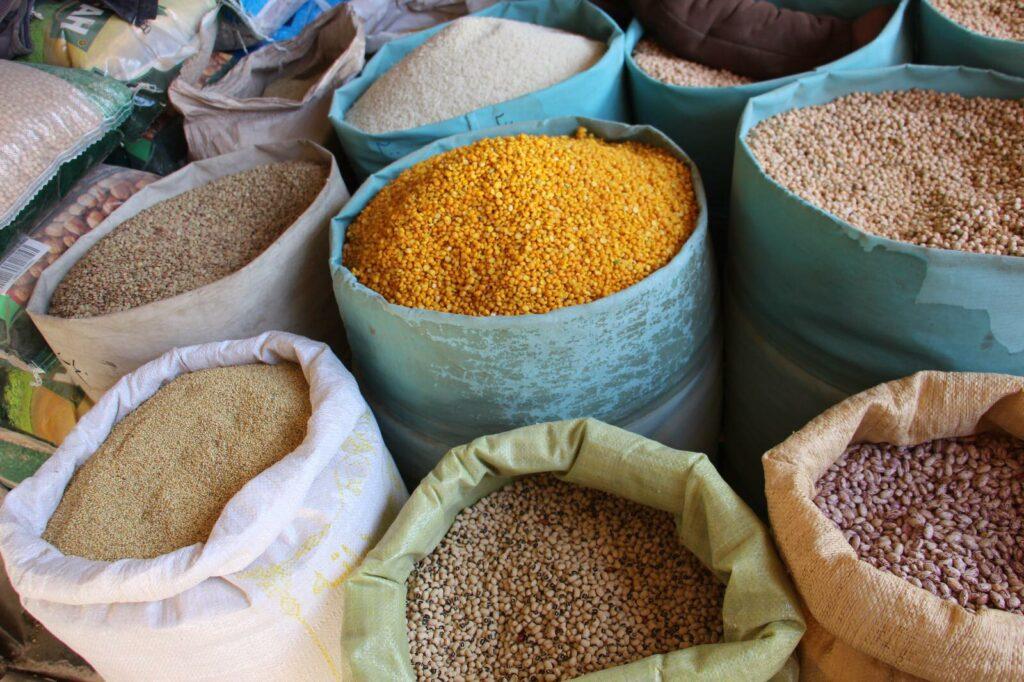
Legumes are among the most valuable and widely cultivated crops in agriculture, playing a crucial role in food production, environmental sustainability, and rural development. This diverse group of crops—including beans, lentils, peas, chickpeas, and other pulses—is recognized for its high nutritional value, providing essential proteins, dietary fiber, vitamins, and minerals that support healthy diets around the world.
One of the most significant advantages of legumes is their ability to naturally enrich the soil through nitrogen fixation. By working in partnership with beneficial soil bacteria, legume plants convert atmospheric nitrogen into forms that can be used by crops, reducing the need for synthetic fertilizers and improving soil fertility. This unique characteristic makes legumes an important component of sustainable farming systems and crop rotation practices.
Modern legume cultivation combines improved seed varieties, advanced farming techniques, and efficient resource management to enhance productivity and crop quality. As demand for nutritious and environmentally responsible food sources continues to grow, legumes offer a practical solution for supporting food security, promoting sustainable agriculture, and strengthening agricultural economies. Their versatility, resilience, and ecological benefits make them an essential part of the future of global food production.